Description
Product Details
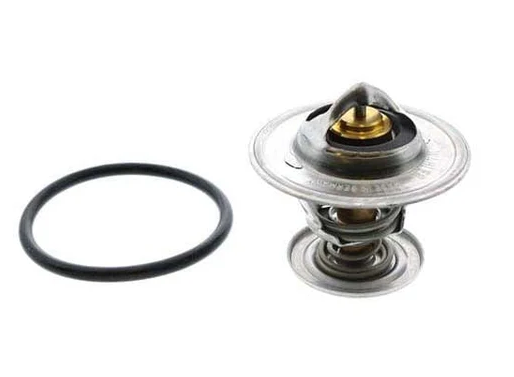
The thermostat in your vehicle regulates coolant flow based on engine temperature. When the engine is cold, the thermostat remains closed to speed up the warm-up process. After reaching operating temperature, it opens to allow hot coolant to circulate and maintain optimal engine performance.
A common symptom of thermostat failure is engine overheating combined with a lack of warm air from the heater. If the thermostat sticks closed, coolant cannot circulate properly, causing the engine to overheat. Replacing a faulty thermostat restores correct temperature regulation and cabin heating.
During thermostat replacement, fluid loss is expected. It is also recommended to replace the thermostat housing, as factory plastic housings often warp or break during removal.
JC PRONTEZZA provides OEM-quality thermostats and housings to ensure proper fit, durability, and long-lasting performance.
OE Part Number: 056 121 113 D
The 056 121 113D thermostat acts as a thermal gatekeeper by regulating the flow of coolant between the engine block and the radiator. Designed to operate within a specific temperature range, it remains closed during initial startup to help the engine reach its optimal operating temperature quickly. Efficient warm-up cycles are essential for reducing engine wear and improving fuel efficiency.
If the internal wax element within the thermostat fails, the unit can stick in either a fully open or fully closed position. A stuck-open thermostat will prevent the engine from reaching operating temperature, while a stuck-closed unit blocks fluid circulation, leading to rapid overheating.
Why the 056 121 113D Thermostat Matters
The 056 121 113D thermostat is vital for protecting the cylinder head and engine seals from thermal stress. By maintaining a stable temperature, this component ensures that the engine stays within the narrow thermal window required for peak performance. Stable temperatures also support the proper function of the vehicle’s cabin heating system.
Replacing an old thermostat is a proactive way to avoid being stranded by a cooling system failure. Installing a fresh unit during a water pump service or coolant flush provides peace of mind and ensures the cooling circuit behaves exactly as the manufacturer intended.
Signs Your Thermostat Needs Replacing
Monitor your vehicle for these common temperature-related symptoms:
-
The temperature gauge enters the “red” zone or triggers an overheat warning.
-
The engine takes an unusually long time to warm up or never reaches the middle of the gauge.
-
Lack of hot air from the cabin heater vents, even after driving for several miles.
-
Coolant leaks around the thermostat housing area.
-
Eratic temperature fluctuations on the dashboard gauge while driving at highway speeds.
Key Features
-
OE Part Number: 056 121 113D
-
Function: Maintains stable engine temperature through precise coolant regulation.
-
Construction: High-grade thermal components for accurate opening and closing.
-
Reliability: Direct replacement for factory-installed thermostats.
-
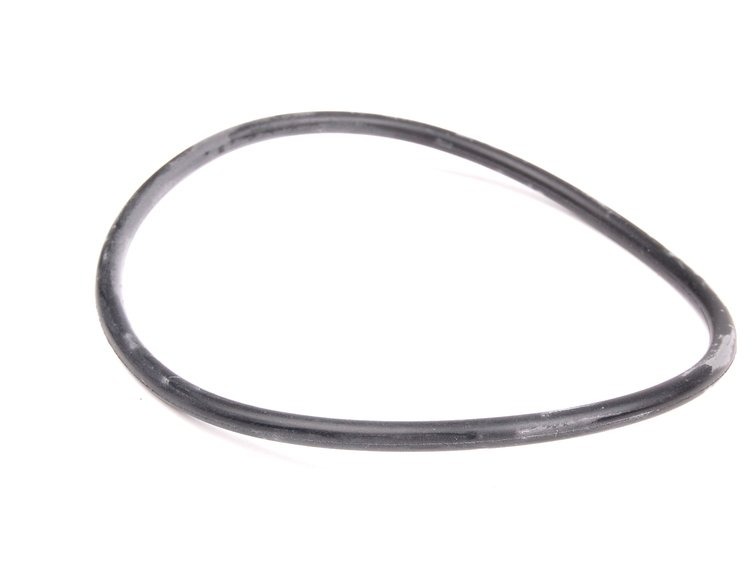
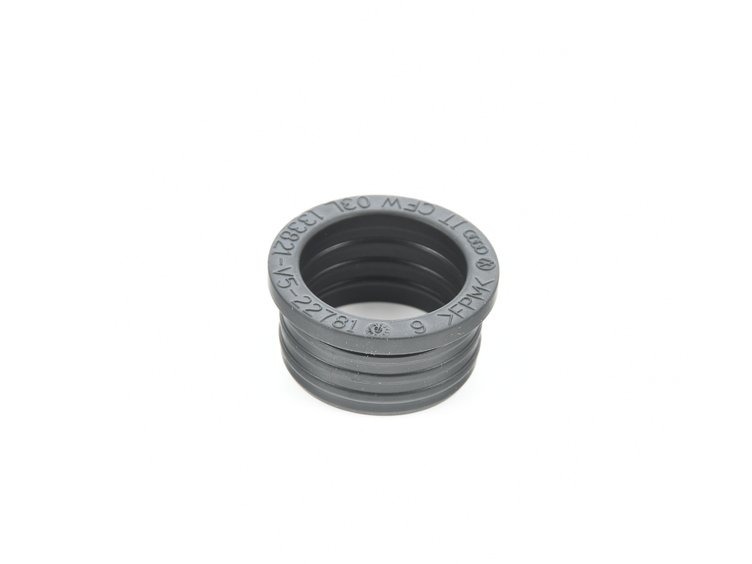
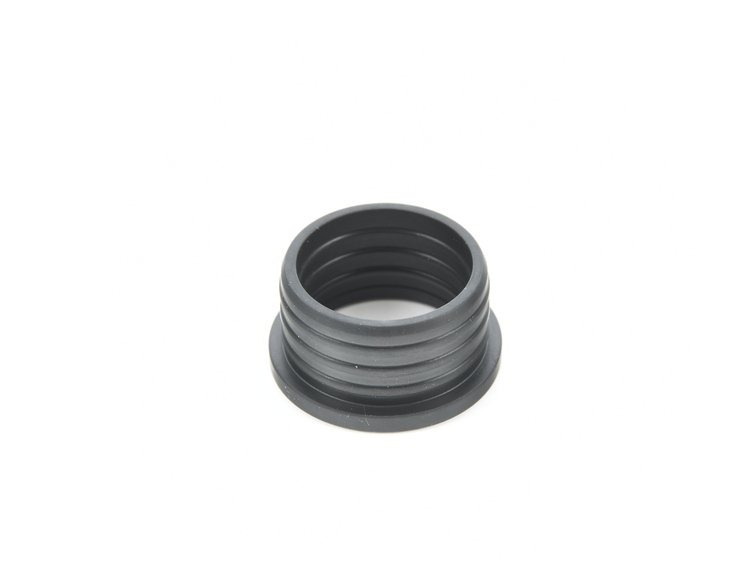
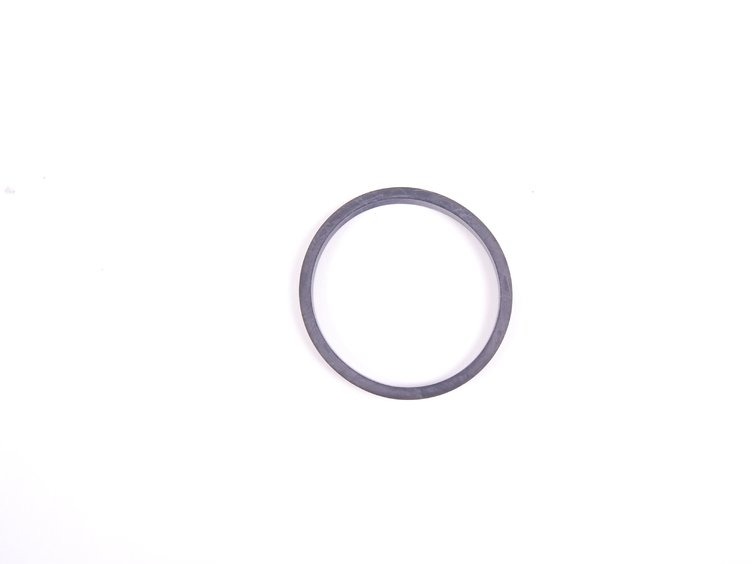
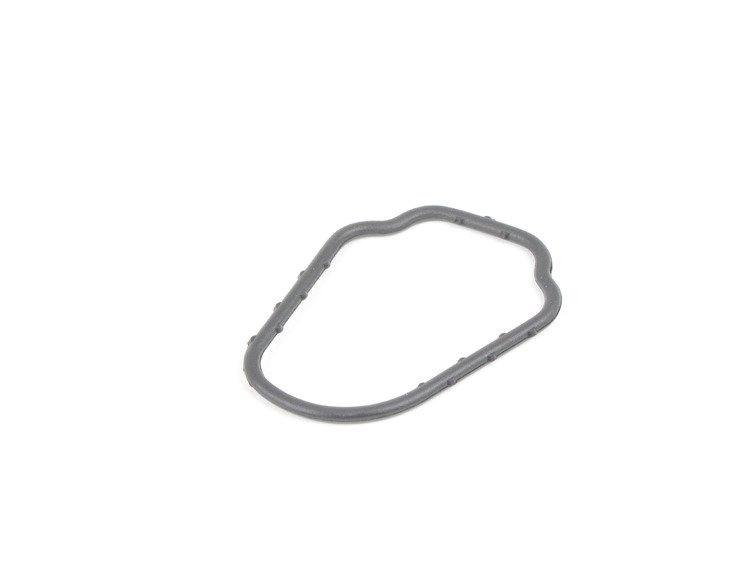
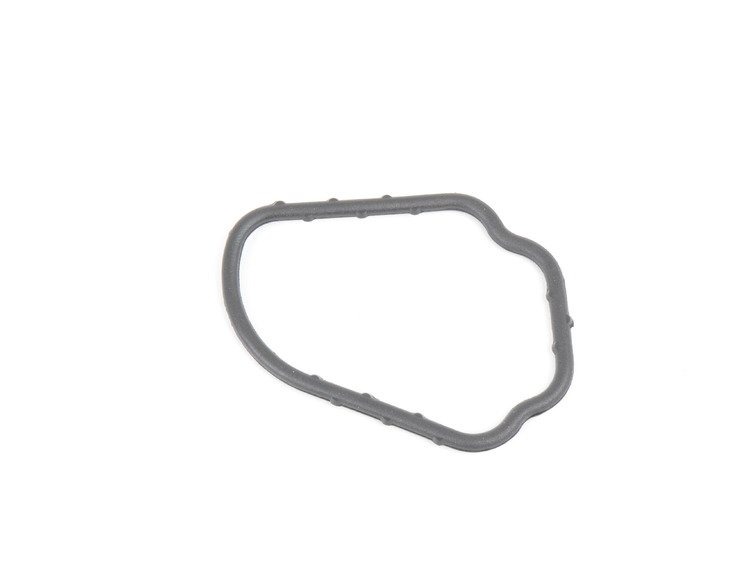
Seal Compatibility: Designed to work with standard rubber O-ring gaskets.
-
Service Note: Includes the thermostat unit; always inspect the plastic housing for cracks during installation.
Service Notes
Always verify fitment by VIN before ordering. When installing the 056 121 113D thermostat, ensure the engine is stone-cold to prevent burns. Be prepared to catch and properly dispose of the old coolant that will escape when the housing is opened.
It is highly recommended to install a new thermostat housing at the same time, as the plastic tabs frequently snap during disassembly. After installation, fill the system with fresh coolant and follow the specific air-bleeding procedure for your engine to ensure no air pockets are trapped behind the thermostat.
Compatibility & Applications
Always verify fitment by VIN before ordering.
Cross Reference Numbers